
IN THE NEWS
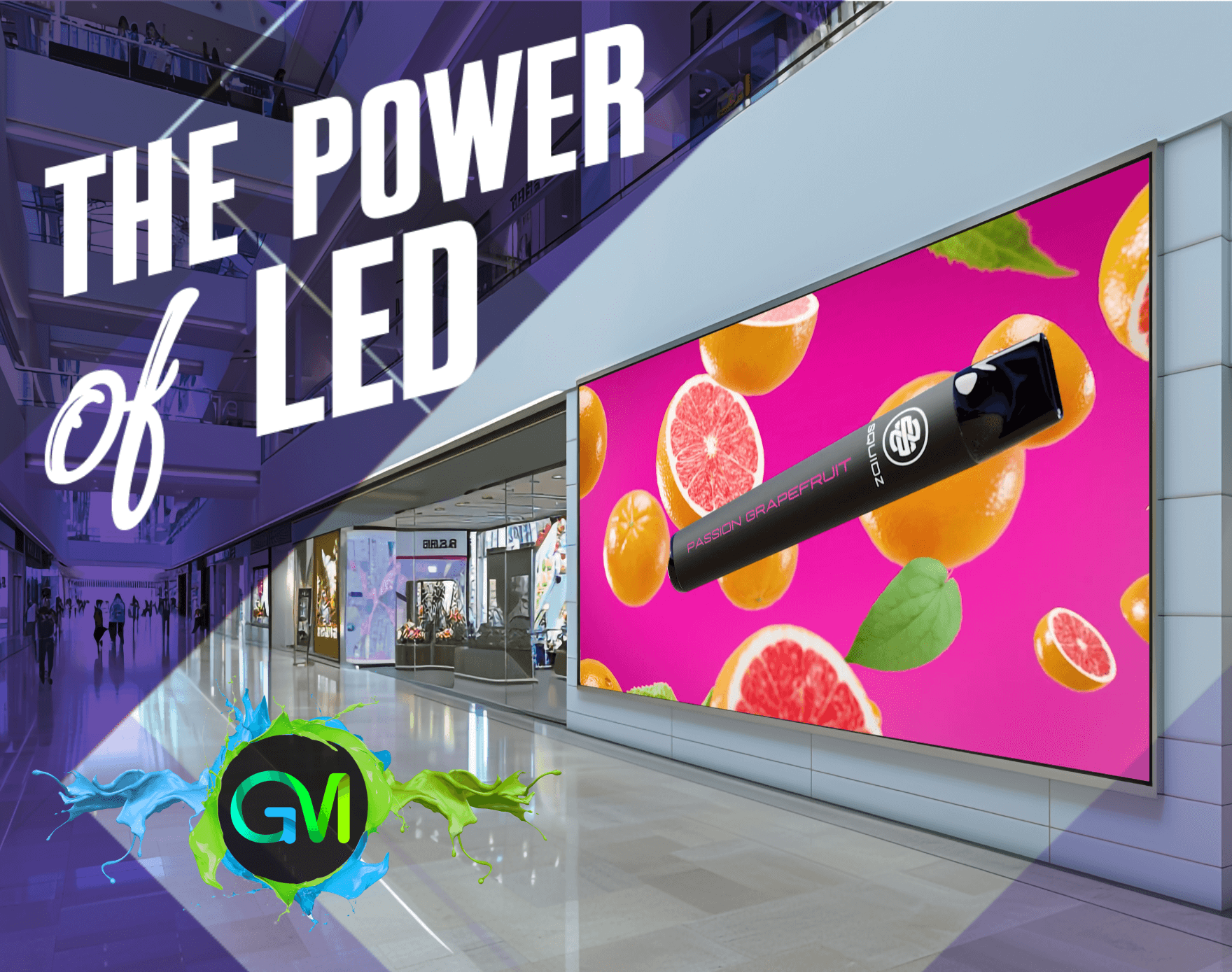
The Ultimate Guide to LED Screens: Technology, Benefits, and Why They Outshine the Rest
In a world where visual impact is key, LED screens have emerged as the leading choice in display technology. From large-scale outdoor billboards and digital signage to immersive indoor video walls and stage backdrops, LED (Light Emitting Diode) screens deliver unmatched clarity, versatility, and performance. But what makes LED screens superior to other display technologies like LCD, OLED, or projection systems? Let’s explore.
What Is an LED Screen?
An LED screen is a type of display that uses light-emitting diodes to produce images. These tiny semiconductors emit light when an electric current passes through them, and when arranged in a grid, they create vivid visuals. Each pixel typically consists of a red, green, and blue diode—known as RGB—which combines to display a full spectrum of colors.
LED technology is considered transmissive, meaning each pixel emits its own light. This allows for much higher brightness and more vibrant colors compared to other technologies that rely on a backlight or external light source.
How LED Screens Work
LED screens are made up of modular panels, which consist of thousands of RGB pixels. A central controller or processor takes in a video signal and directs it to each pixel, telling it exactly what color to display in real-time. By adjusting the brightness of the red, green, and blue diodes, the screen can accurately reproduce any image or video.
This modular structure not only supports scalability but also allows for flexible installation in various shapes and sizes.
Key Technologies Behind LED Screens
- SMD (Surface Mounted Device)
- LEDs are mounted directly onto the circuit board.
- Supports tighter pixel pitch for higher-resolution indoor displays.
- DIP (Dual In-line Package)
- An older, durable technology primarily used for outdoor displays.
- Larger pixel pitch and less resolution compared to SMD.
- COB (Chip-on-Board)
- Multiple diodes are mounted directly onto a substrate and protected by a resin surface.
- Offers superior durability and seamless image quality.
- GOB (Glue-on-Board)
- Similar to COB but ideal for high-traffic indoor areas.
- Adds a protective resin layer to SMD modules for better durability and visual smoothness.
Why LED Screens Outshine Other Displays
- Unrivalled Brightness and Contrast
LEDs can reach much higher brightness levels than LCDs or projectors, making them ideal for both indoor and outdoor use—even in direct sunlight. They also deliver deeper blacks and higher contrast ratios.
- Scalability and Design Flexibility
The modular nature of LED screens allows for custom shapes and sizes, whether it’s a curved video wall or a building-sized display.
- Extended Lifespan
High-quality LEDs can last over 100,000 hours, equating to more than 11 years of continuous use—making them a smart long-term investment.
- Energy Efficiency
LEDs consume significantly less power than traditional backlit displays or projectors.
- Seamless Visuals
LED panels are bezel-free, unlike LCD video walls, which have visible seams. This creates a more immersive and professional viewing experience.
- Wide Viewing Angles
Modern LED displays offer wide viewing angles—up to 160°—maintaining consistent brightness and color from nearly any direction.
Applications of LED Screens
- Retail & Digital Signage: Eye-catching visuals for branding and promotions.
- Broadcast Studios: High-resolution backgrounds and virtual sets.
- Corporate Environments: Presentation backdrops and command centers.
- Auditoriums & Conference Venues: Professional display solutions for large audiences.
- Stadiums & Arenas: Live feeds, scoreboards, and audience engagement.
- Entertainment & Events: Concert backdrops, stage designs, and immersive visuals.
- Control Rooms: Real-time monitoring with clear, high-definition displays.
Choosing the Right LED Screen: Key Considerations
- Pixel Pitch
Smaller pixel pitch = higher resolution. Choose based on viewing distance. - Indoor vs. Outdoor Use
Outdoor screens need weatherproofing and higher brightness capabilities. - Refresh Rate
Higher refresh rates improve motion clarity and reduce flicker—especially important for video. - Mounting Options
Consider wall-mounted, freestanding, curved, or hanging setups depending on the space. - Content Management System (CMS)
Enables scheduling, remote management, and consistent content delivery.
The Future of LED Displays
LED technology is evolving at a rapid pace. We’re seeing innovations like transparent LEDs, curved displays, interactive floors, and flexible panels that adapt to nearly any surface. As costs decrease and resolution increases, LED displays are becoming the industry standard across sectors—from retail to architecture.
Final Thoughts
LED screens are the pinnacle of modern display technology—offering unbeatable brightness, clarity, efficiency, and adaptability. Whether you’re aiming to captivate audiences, modernize your space, or enhance your brand presence, LED is the solution that delivers.
At Gaproc Media, we don’t just install screens—we deliver digital experiences. From initial concept to post-installation support, we’re here to ensure your LED solution aligns with your vision and brand.
Let’s light up your story.
Want to learn how we can get you started? Contact us now!